.webp)



Introduction
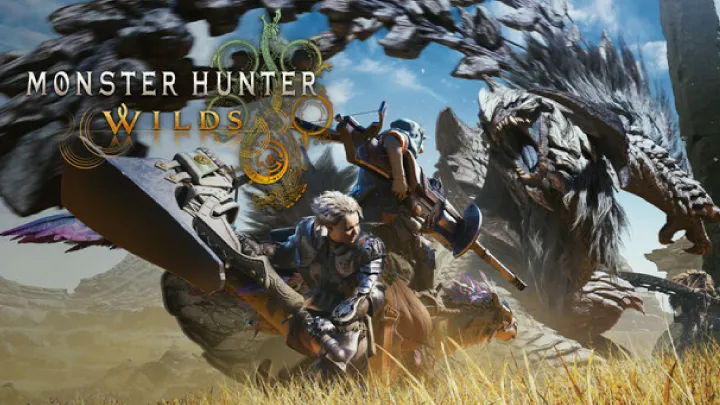
Monster Hunter Wilds captures players in its richly detailed ecosystems filled with formidable beasts and the thrill of the hunt. As players navigate through vibrant landscapes, the focus on cooperative multiplayer gameplay emerges as both a core strength and a significant challenge. While the cooperative nature of the game is engaging, it also presents issues regarding player coordination, balance, and community dynamics. This article dives deeply into the complexities of the multiplayer experience in Monster Hunter Wilds, exploring how it shapes gameplay, influences community interactions, and affects overall player satisfaction.
The Landscape of Cooperative Play
The cooperative aspect of Monster Hunter Wilds defines the game and sets it apart from many other action RPGs.
The Cooperative Essence
- Unity in Diversity: Players are encouraged to team up and tackle formidable monsters, leveraging different hunter classes and weapons to create a balanced party. The variety inherently allows for exciting dynamics and strategies that individuals alone cannot achieve.
- Shared Objectives: The game revolves around the concept of shared objectives, as hunters collaboratively set out to hunt, gather materials, and face off against epic creatures, creating a fulfilling team-based experience.
The Social Element
- Community Bonds: Engaging with other players cultivates bonds that extend beyond the game itself. Hunters often share tips, strategies, and equipment builds, forming a vibrant community centered on shared experiences.
- Player Agency: Cooperative play offers players the opportunity to choose their roles within a team, whether as tank, damage dealer, or support, allowing individuals to express their playstyle while contributing to the group.
Challenges of Coordination: The Hunt for Synchrony
Despite the allure of cooperative gameplay, players often find themselves facing challenges related to coordination and teamwork.
Communication Barriers
- Language and Clarity: In global multiplayer games, language barriers can inhibit effective communication. Players may struggle to relay strategies, leading to confusion during hunts.
- Non-verbal Cues: Reliance on non-verbal cues like emotes and signals can create misunderstandings. Without clear communication, players may fail to adapt to on-the-fly changes during a hunt, undermining their chances of success.
Role Misalignment
- Class Confusions: Players often misjudge their team's composition, leading to imbalanced roles. A group may lack sufficient damage output or fail to have necessary support, which directly impacts the efficiency of monster fights.
- Inconsistent Strategies: When players have differing strategies, the hunt can devolve into chaos. For example, one hunter might favor aggressive tactics while another adopts a defensive stance, complicating coherence in the team's approach.
The Importance of Gear and Skill Diversity
In Monster Hunter Wilds, the balance of player skills and equipment significantly influences the cooperative experience.
Gear Synergy
- Specialization in Gear: Every weapon type has its strengths and weaknesses, impacting how players contribute to hunts. Some weapons are effective for crowd control, while others excel in high damage output.
- Crafting for Collaboration: The crafting system incentivizes players to collaborate in acquiring materials to create gear that complements one another’s abilities—be it through elemental resistance, buffs, or execution of combo moves.
Skill Representation
- Hunter Skill Levels: Players possess varying degrees of skill and experience with different classes, which can lead to an uneven playing field. Experienced players might outpace beginners, leading to feelings of exclusion or frustration.
- Learning Curve: The learning curve can be steep, particularly for newcomers. Without adequate introduction or guidance, new players struggle to grasp the intricacies of weapon mechanics or monster patterns, hindering their ability to contribute effectively.
Building Effective Teams: Strategies for Success
Given the vitality of effective team dynamics, players must develop strategies that maximize their cooperative efforts.
Establishing Roles
- Defined Positions: Before embarking on a hunt, players should discuss and determine their roles based on their chosen weapons and experiences. This step ensures that each player understands their contribution and avoids redundancy.
- Team Composition: Ideally, a team should include a balanced mix of classes, such as tanks to absorb damage, ranged fighters for support, and melee DPS (damage per second) characters to target weak points.
Communication Tools
- Utilizing in-game Features: Players can leverage in-game communication tools, such as pings and quick chat, to convey essential information efficiently without requiring extensive verbal discourse.
- Community Platforms: Engaging outside of the game on platforms such as Discord or social media can enhance communication during gameplay. Sharing builds, strategies, and coordinating hunts beforehand fosters better teamwork.
The Economic System: Crafting and Resource Management
The economic system in Monster Hunter Wilds ties directly into the cooperative multiplayer experience, as players collaborate to gather resources.
Resource Gathering
- Collaboration in Collecting: As players work together to gather resources, their hunts often turn into scavenging missions where teamwork is paramount for success. This interconnected need for items promotes unity among hunters.
- Shared Materials: The game allows for communal resources, encouraging players to pass on materials or assist teammates in collecting what they need for crafting. This fosters a sense of community and collective achievement.
Crafting Synergies
- Creating Unique Builds: Crafting in Monster Hunter Wilds is not solely an individual venture; players can strategize together to create specialized gear tailored to different monster encounters. Understanding what equipment is beneficial for upcoming hunts can dramatically enhance team performance.
- Event Collaboration: Special in-game events may introduce unique materials, providing opportunities for players to band together to acquire exclusive items that enhance their gear and improve overall performance.
The Culture of Farming: Thriving in Multiplayer
Farming, a crucial aspect of the game, significantly influences the multiplayer experience, leading to both synergy and competition.
Efficient Farming Strategies
- Cooperative Goals: Teams often adopt farming strategies for specific monster types or materials. By working together, players can increase their efficiency in grinding for rare drops, making the process faster and less tedious.
- Streamlining Objectives: By assigning roles during farming missions—such as designated gatherers or DPS hunters—teams can optimize completion rates, allowing for a smoother gaming experience and minimizing wasted time.
Balancing Farming and Exploration
- Resource Optimization: Players must find a balance as they navigate between farming resources and completing story quests to progress in the game. Constantly switching focuses can lead to frustration.
- Engaging Play vs. Grind: Lengthy farming sessions can become monotonous, threatening to disengage players. Finding ways to keep these sessions fresh, such as setting small challenges or goals, can maintain enthusiasm in a collaborative setting.
Game Updates and Community Feedback
Monster Hunter Wilds has undergone numerous updates, but community feedback regarding multiplayer issues and integration remains pivotal.
The Role of Developers
- Listening to Players: Developers have actively sought community input regarding multiplayer mechanics and player experiences to refine the game. Balancing class options, quest rewards, and matchmaking systems are regular areas of focus.
- Iterative Improvements: Updates often aim to enhance communication tools, refine matchmaking, and address player concerns regarding role imbalances or equipment viability. Continued innovation keeps players invested.
Community Engagement
- Using Online Platforms: Forums and social media platforms serve as crucial spaces for players to voice concerns, share experiences, and foster discussions related to the cooperative experience in Monster Hunter Wilds.
- Building a Supportive Environment: Positive community involvement also contributes to the overall experience; fostering a supportive atmosphere encourages participation and willingness to teach new players, enhancing overall enjoyment.
Cultural Impact and Future Directions
The cultural impact of Monster Hunter Wilds transcends gameplay mechanics, shaping how players perceive cooperative experiences in gaming.
Redefining Multiplayer Dynamics
- Community-Focused Growth: Monster Hunter Wilds invites players to embrace cooperative gameplay not just as a means to an end, but as an enjoyable experience that builds communities around common interests and goals.
- Expanding the Genre: As players engage with their teammates in unique ways, new strategies and alliances emerge, redefining the norms within the action RPG genre and inspiring other developers.
Future Content and Enhancements
- New Mechanics: Future updates could introduce new multiplayer modes or seasonal events emphasizing collaboration. Such innovations would keep the player base engaged and excited, adapting to community feedback and trends.
- Encouraging Cross-Platform Play: Expanding multiplayer capabilities to include cross-platform play can enhance the community experience, enabling players from various systems to join forces and enjoy collective achievements.
Conclusion: Navigating the Complexities of Multiplayer in Monster Hunter Wilds
Monster Hunter Wilds presents a rich multiplayer experience that combines strategy, teamwork, and personal growth, yet it is not without its challenges. Communication barriers, role misalignment, and resource management intricacies can disrupt the cooperative flow, leading to frustration among players. However, the game still shines brightly in its ability to foster unity, community engagement, and shared adventures.
As the developers continue to refine and enhance the gameplay experience based on player feedback and community interaction, Monster Hunter Wilds has the potential to emerge as a shining example of what cooperative multiplayer can achieve in gaming. By addressing the challenges inherent in this format while maintaining focus on the collaborative spirit, the game promises to evolve into a more fulfilling and satisfying experience for its dedicated player base.