.webp)
Introduction
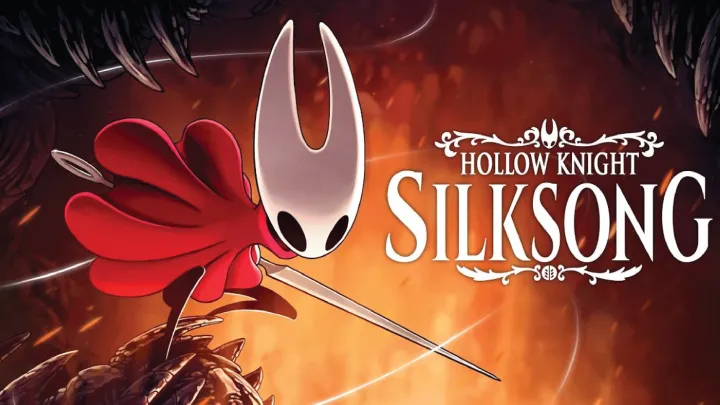
Few modern games have carried the burden of expectation quite like Hollow Knight: Silksong. Originally announced as an expansion before evolving into a full standalone sequel, the game quickly transformed from a simple follow-up into one of the most anticipated indie releases in gaming history. What began as excitement gradually evolved into something far more complex: obsession, impatience, and unrealistic expectation.
This is not simply a story about a delayed game. It is a story about how community anticipation can fundamentally reshape the development environment around a title. Silksong now exists in a strange cultural space where every trailer frame is dissected, every gaming showcase becomes a battlefield of disappointment, and silence itself becomes controversial. The issue is no longer just “when will the game release?” The deeper issue is how overwhelming expectations may have altered both the perception and future reality of the game itself.
Rather than discussing gameplay mechanics in a general sense, this article focuses on a specific problem surrounding Silksong: the crushing psychological and creative pressure created by years of anticipation and community mythology.
The Original Hollow Knight Created an Impossible Standard
A Small Indie Game Became a Masterpiece Overnight
When Hollow Knight launched in 2017, few expected it to become one of the defining indie games of its generation. Developed by the tiny Australian studio Team Cherry, the game combined precise combat, haunting world design, and deep exploration into an experience that felt dramatically larger than its budget suggested.
What made the original game special was not simply its quality, but its surprise factor. Players entered Hallownest with relatively low expectations and discovered something extraordinary. That emotional contrast amplified the game’s impact.
Success Changed the Relationship Between Developers and Players
The moment Hollow Knight became successful, Team Cherry’s position changed permanently. They were no longer underdogs creating a niche project. They became caretakers of one of the most beloved indie franchises in modern gaming.
This Created Several Problems
- Players expected a sequel bigger than the original
- Every design choice would face microscopic scrutiny
- Imperfections would no longer be forgiven as “indie limitations”
- The mystery and surprise of the first game could never truly happen again
The original Hollow Knight succeeded partly because nobody knew what to expect. Silksong faces the opposite problem: everyone expects perfection.
Silksong’s Announcement Created a Different Kind of Hype
The Reveal Was Too Effective
When Silksong was revealed, excitement exploded almost instantly. Hornet had already become one of the most beloved characters in the original game, making her the perfect protagonist for a sequel.
The reveal trailer showcased:
- Faster movement
- Acrobatic combat
- Larger enemy variety
- More vertical level design
- New crafting systems
For many players, the sequel immediately looked superior to the original.
Hype Began Replacing Reality
The problem with prolonged anticipation is that imagination begins filling the empty space left by silence. Over time, fans stopped discussing what Team Cherry actually showed and started constructing imaginary versions of the game in their minds.
The Community Started Expecting
- A revolutionary metroidvania
- A larger world than Hallownest
- Perfect boss design
- Endless replayability
- Flawless performance
- A narrative deeper than the original
At this point, Silksong stopped being viewed as a normal game. It became a mythical object.
Long Development Silence Changed Community Behavior
Silence Became the Main Source of Discussion
As years passed without major updates, the absence of information became more important than the game itself. Entire communities began analyzing:
- Developer activity on social media
- Gaming showcase schedules
- Steam database changes
- Random insider rumors
The conversation around Silksong slowly transformed into speculation culture.
Anticipation Turned Into Emotional Exhaustion
At first, the community treated delays humorously. Memes about “Silksong never existing” became widespread. However, over time, those jokes evolved into genuine frustration.
Signs of Community Fatigue
- Hostility during gaming events
- Aggressive reactions toward unrelated indie games
- Constant disappointment cycles
- Unrealistic release date theories
The longer silence continued, the more emotionally invested players became. Anticipation stopped feeling exciting and started feeling draining.
Team Cherry’s Communication Strategy Became Part of the Problem
Minimal Communication Worked Early On
During the development of the original Hollow Knight, Team Cherry’s quiet communication style felt charming. Small indie studios often maintain low public visibility, and fans accepted that naturally.
However, Silksong operates at a completely different scale of popularity.
Silence Creates Narrative Vacuums
When developers say nothing for long periods, the community creates its own narratives. Some fans began assuming:
- Development problems existed
- The game was trapped in “development hell”
- Features were constantly being restarted
- The project had become too ambitious
Whether true or false, these assumptions spread because silence leaves room for interpretation.
Why This Became Dangerous
- Rumors spread faster than facts
- Fans treated speculation as evidence
- Expectations became increasingly distorted
- Every future announcement gained impossible pressure
Ironically, the less Team Cherry communicated, the louder the community became.
The Mythologizing of Silksong Distorted Expectations
The Game Became More Than a Game
Most games are judged by what they are. Silksong increasingly became judged by what players imagined it could be.
This distinction matters enormously.
Players are no longer waiting for “a good sequel.” Many are waiting for:
- The next indie masterpiece
- A generation-defining metroidvania
- A game capable of surpassing nostalgia itself
That is an almost impossible target.
Nostalgia Intensified the Problem
The original Hollow Knight benefited from years of emotional attachment. Players remember:
- Their first descent into Hallownest
- Discovering hidden areas
- Losing repeatedly to difficult bosses
- The loneliness of exploration
Those memories became romanticized over time.
The Sequel Now Competes Against Memory
A new game can compete against another game.
It cannot easily compete against years of emotional nostalgia.
Gameplay Expectations Became Creatively Restrictive
Fans Want Contradictory Things
One of the biggest hidden problems surrounding Silksong is that players simultaneously demand innovation and familiarity.
Fans want:
- New mechanics but familiar combat
- Larger maps but tighter pacing
- Greater difficulty but less frustration
- More complexity but better accessibility
These demands often contradict each other directly.
Creativity Suffers Under Perfectionism
When developers know every detail will be intensely analyzed, experimentation becomes riskier.
Potential Creative Consequences
- Safer design decisions
- Over-polished systems lacking spontaneity
- Fear of removing popular mechanics
- Excessive content expansion
A sequel under immense pressure may become technically impressive while losing the unpredictable magic that made the original memorable.
The Indie Label No Longer Protects Silksong
Players No Longer View Team Cherry as “Small”
Although Team Cherry remains relatively small compared to AAA studios, community perception has changed dramatically.
Fans now compare Silksong to:
- Major AAA releases
- Massive open-world games
- Full-price blockbuster experiences
The indie label no longer lowers expectations.
Success Removed the Margin for Error
The first Hollow Knight could have flaws because players respected its ambition relative to its size. Silksong does not have that luxury anymore.
Small Problems May Become Massive Controversies
- Minor balancing issues
- Repetitive enemies
- Performance problems
- Weak late-game pacing
Under normal circumstances, these would be manageable criticisms. Under extreme hype, they risk becoming internet-wide discourse.
Community Culture Around Silksong Became Increasingly Toxic
Gaming Showcases Turn Into Disappointment Rituals
Every major gaming event now triggers the same cycle:
- Fans expect Silksong news
- The game fails to appear
- Social media erupts in frustration
- Memes temporarily soften disappointment
- The cycle repeats
This repetitive emotional loop has affected the broader gaming community.
Other Indie Games Became Collateral Damage
One overlooked consequence is how other indie titles are treated during showcases. Chat sections frequently become flooded with:
- “Where is Silksong?”
- “Nobody cares”
- “Show Silksong”
Why This Matters
Smaller developers showcasing their own games become overshadowed by a sequel they have nothing to do with. The obsession surrounding Silksong unintentionally damages appreciation for other projects.
Release Day May Create an Impossible Judgment Environment
The First Week Could Define Everything
No matter how good Silksong eventually becomes, its launch environment may already be compromised by years of emotional buildup.
Players are unlikely to approach it calmly.
Instead, many will immediately ask:
- Was it worth the wait?
- Is it better than the original?
- Did the delays justify the final product?
These questions fundamentally alter how players experience a game.
Comparison Will Overshadow Discovery
One of the original Hollow Knight’s strengths was immersive discovery. Players explored Hallownest without constant comparison.
Silksong may not receive that same freedom.
Players Will Constantly Compare
- Bosses to original bosses
- Areas to Hallownest
- Music to Christopher Larkin’s previous work
- Movement to the Knight’s controls
This analytical mindset could reduce emotional immersion.
The Delay Itself May Have Altered the Final Game
Long Development Cycles Change Design Philosophy
Games developed over many years often evolve significantly during production. Industry history shows that prolonged development can create:
- Feature creep
- Scope expansion
- Mechanical overcomplication
- Reworked systems
The longer a project exists, the harder it becomes to maintain clarity of vision.
Community Expectations May Influence Development
Even without direct communication, developers inevitably become aware of community pressure.
Possible Outcomes
- Adding excessive content to satisfy fans
- Reluctance to cut weak mechanics
- Over-balancing difficulty
- Endless polishing delaying release further
At some point, developers may stop asking:
“What does the game need?”
and start asking:
“What will players criticize?”
That shift can fundamentally change creative identity.
Silksong’s Greatest Threat Is Not Delay — It Is Perfection
Perfection Is an Unreachable Goal
The tragedy surrounding Silksong is that the game may already be trapped by impossible expectations before players even touch it.
No game can perfectly satisfy:
- Years of speculation
- Nostalgic memory
- Internet mythology
- Endless hype cycles
Even masterpieces have flaws.
The Original Hollow Knight Was Human
Part of what made Hollow Knight beautiful was its imperfection. Certain areas dragged. Some mechanics frustrated players. Yet those rough edges gave the experience personality.
Silksong Risks Becoming Overburdened
If developers attempt to eliminate every flaw, the sequel could lose:
- Spontaneity
- Mystery
- Experimental charm
- Emotional unpredictability
Sometimes excessive polish creates emotional distance.
Conclusion
Hollow Knight: Silksong represents one of the most fascinating cases of modern gaming anticipation. Over time, the game evolved beyond its identity as a sequel and became a cultural phenomenon shaped by silence, speculation, nostalgia, and impossible expectation.
The core issue surrounding Silksong is not simply its development timeline. It is the enormous psychological weight placed upon the project by years of community mythology. The longer anticipation grows, the harder it becomes for reality to compete with imagination.
Ironically, Silksong may never need to be perfect to succeed. What players truly loved about the original Hollow Knight was not perfection, but emotional resonance: the loneliness of exploration, the satisfaction of mastery, and the feeling of discovering something unexpectedly special.
If Silksong can preserve that spirit beneath the pressure surrounding it, then it may still accomplish something extraordinary—even if it can never fully satisfy the impossible expectations created around it.