.webp)




Psychological horror games have evolved significantly in the past decade, shifting away from simple jump scares toward deeper emotional tension and narrative-driven fear. MIMESIS represents one of the most intriguing entries in this modern horror landscape. Blending survival gameplay, psychological storytelling, and unsettling reality distortions, the game builds an experience where players must question everything they see, hear, and remember.
Set within an environment where reality slowly fractures, MIMESIS focuses on themes of identity, perception, and imitation. The title itself refers to the philosophical concept of mimesis, meaning imitation or representation. In the context of the game, this idea manifests through entities capable of copying appearances, memories, and behaviors.
The result is a disturbing survival experience in which players cannot always trust the world around them. Objects shift, environments subtly change, and characters may not be who they claim to be. Through its layered narrative and unsettling gameplay design, MIMESIS positions itself as one of the most psychologically intense horror games of 2025.
The Premise and Narrative Setting
A World Where Reality Cannot Be Trusted
MIMESIS begins with a mysterious event known only as The Reflection Collapse, an unexplained phenomenon that causes reality to fracture across a remote research region. Communication networks fail, infrastructure collapses, and survivors report encounters with strange entities capable of perfectly imitating human behavior.
Players assume the role of a survivor trapped within this unstable environment. With limited resources and incomplete knowledge about the catastrophe, the primary goal is simple: survive long enough to uncover the truth behind the event.
However, survival becomes complicated once the player realizes that some of the survivors may not actually be human.
The Role of the Mimetic Entities
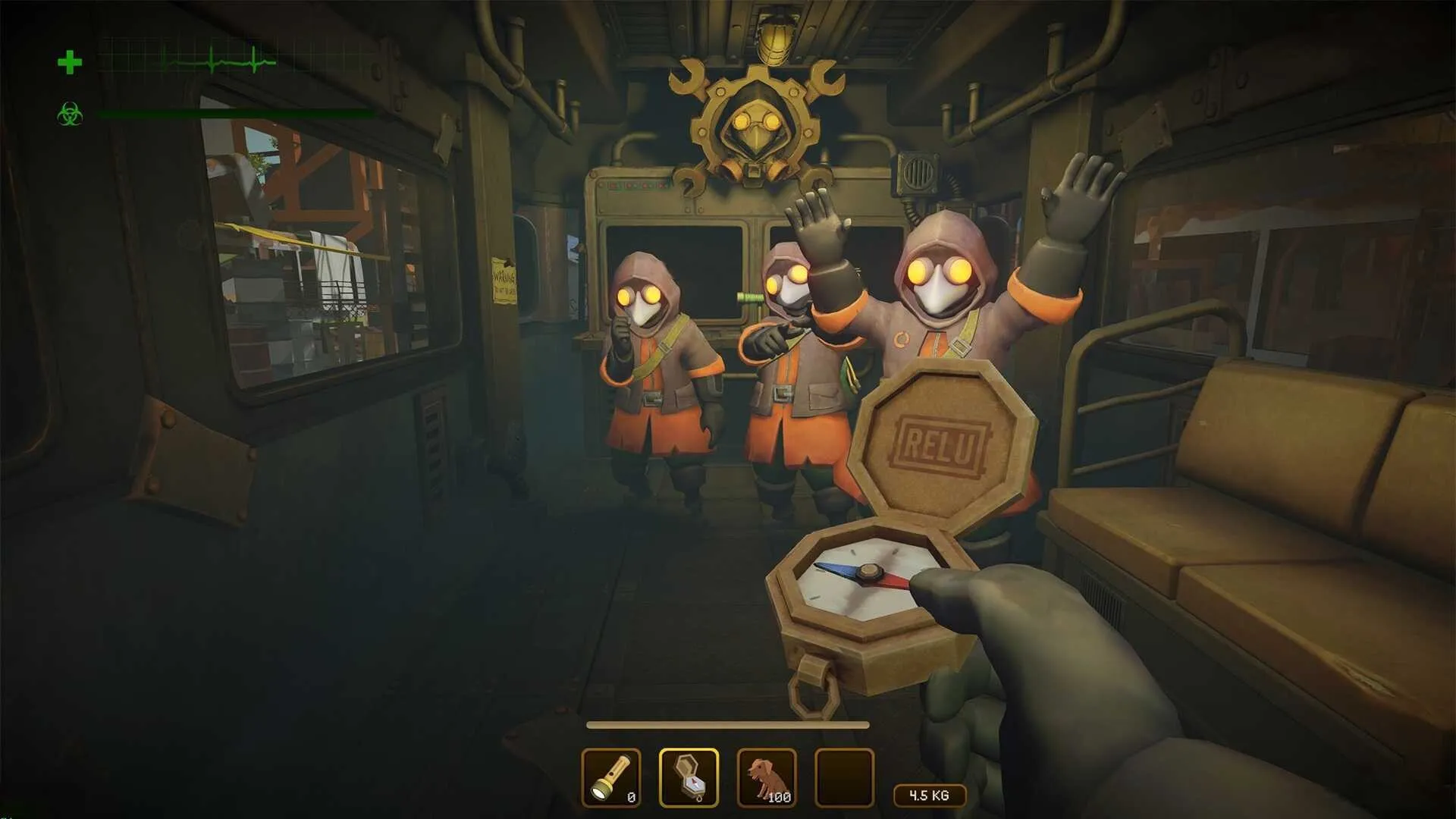
At the center of the narrative are creatures known as Mimics. These entities possess the ability to replicate physical appearance and behavioral patterns with frightening accuracy. They study human movement, language, and emotional responses before attempting to blend into survivor groups.
This mechanic introduces a constant sense of paranoia. NPC companions may help gather resources, defend shelters, or assist in exploration, but the possibility that one of them might secretly be a Mimic adds tension to every interaction.
Psychological Horror Through Perception
Unreliable Visual Reality
Unlike traditional horror games that rely on monsters and sudden attacks, MIMESIS builds fear through subtle environmental changes. The world behaves inconsistently. Players may notice that hallways seem slightly longer than before, objects shift position when not observed, or reflections in mirrors show delayed movement.
These distortions reinforce the central theme that perception cannot be trusted.
Environmental anomalies may include:
- Shadows moving independently
- Echoes that do not match player actions
- Objects appearing where none existed before
- Familiar locations changing layout overnight
This design ensures that tension remains constant, even when no enemies are present.
Sound Design and Psychological Pressure
Sound plays a critical role in the horror experience. The audio landscape of MIMESIS constantly shifts between silence and subtle ambient noise.
Players may hear:
- distant footsteps with no visible source
- whispered fragments of conversation
- distorted radio transmissions
- echoes of their own past actions
These audio cues build anxiety and encourage players to question what is real.
Survival Gameplay Systems
Resource Management
Like many survival games, players must gather resources in order to stay alive. However, the unstable environment makes resource gathering unpredictable.
Essential survival materials include:
- food supplies
- medical kits
- power cells
- environmental protection equipment
Resource scarcity forces players to explore abandoned facilities, underground shelters, and damaged research complexes.
Shelter Construction
Players can establish temporary safe zones using scavenged materials. These shelters serve several important functions:
- protection from hostile creatures
- storage for resources
- crafting stations for equipment
- defensive systems against Mimic infiltration
However, shelters are not completely safe. Mimics may attempt to infiltrate survivor groups, forcing players to constantly verify the identity of everyone inside.
The Mimic Detection System
Identifying the Imposters
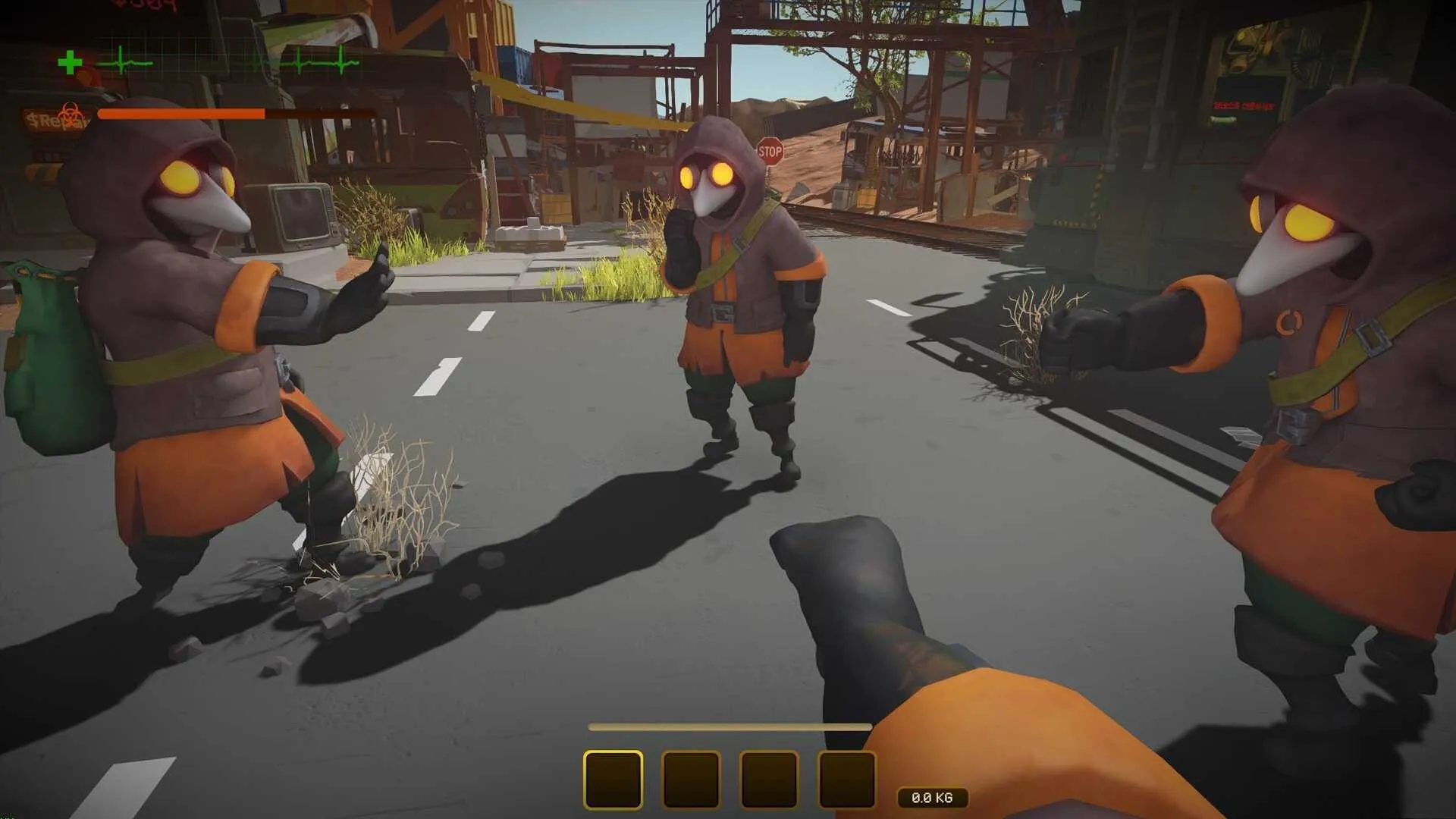
One of the most unique gameplay mechanics in MIMESIS is the Mimic detection system. Because Mimics can replicate humans so effectively, players must use observation and deduction to identify them.
Clues that may reveal a Mimic include:
- incorrect memories during conversations
- unnatural body language
- unusual reaction times
- subtle visual glitches
Players must conduct interviews, observe behaviors, and sometimes perform tests to determine whether a companion is human.
Consequences of Mistakes
Misidentifying a survivor as a Mimic may have serious consequences. Innocent characters may abandon the group, while failing to detect a real Mimic can lead to catastrophic outcomes within the shelter.
These decisions create moral tension and psychological pressure, making leadership choices extremely difficult.
Environmental Exploration
Research Facilities and Abandoned Cities
The game world consists of interconnected environments affected by the Reflection Collapse.
Major exploration zones include:
- abandoned research laboratories
- deserted industrial complexes
- underground transportation tunnels
- partially destroyed urban districts
Each location contains fragments of the story that help explain the origin of the Mimic phenomenon.
Dynamic Environmental Changes
Unlike static open-world games, the environments in MIMESIS evolve as the story progresses. Entire sections of the map may transform overnight due to reality distortions.
Players must constantly adapt to:
- collapsing buildings
- newly formed passageways
- altered geography
- spreading anomaly zones
Exploration therefore becomes both a survival challenge and a narrative discovery process.
Story Themes and Symbolism
Identity and Self-Reflection
The concept of mimesis raises philosophical questions about identity. If an entity can perfectly replicate a person’s behavior and memories, what truly defines individuality?
Throughout the story, players encounter situations that blur the line between imitation and authenticity.
Characters may question their own memories, wondering if they themselves could unknowingly be copies.
Fear of Replacement
One of the strongest emotional themes in MIMESIS is the fear of replacement. The possibility that anyone could be substituted by a Mimic introduces existential dread.
This theme reflects modern anxieties about technology, identity, and the fragility of human perception.
Combat and Defensive Mechanics
Limited Combat Encounters
Unlike action-heavy survival games, combat in MIMESIS is intentionally limited. Weapons are scarce, and many encounters cannot be solved through direct confrontation.
Players must rely on:
- stealth
- environmental traps
- distraction tools
- coordinated survivor tactics
This design reinforces vulnerability and encourages strategic thinking.
Anomaly Creatures
In addition to Mimics, the Reflection Collapse has produced other strange entities formed from distorted reality.
These creatures display unpredictable behaviors and may manipulate environmental physics.
Encounters with them often resemble puzzle scenarios rather than traditional battles.
Visual Design and Artistic Direction
Distorted Realism
The visual style of MIMESIS blends realistic environments with subtle surreal elements. Ordinary locations slowly transform into unsettling spaces where the laws of physics appear unstable.
Examples include:
- mirrors reflecting alternate versions of rooms
- flickering architecture that briefly reveals hidden structures
- landscapes shifting under strange lighting conditions
This artistic direction supports the game’s themes of perception and reality distortion.
Lighting and Atmosphere
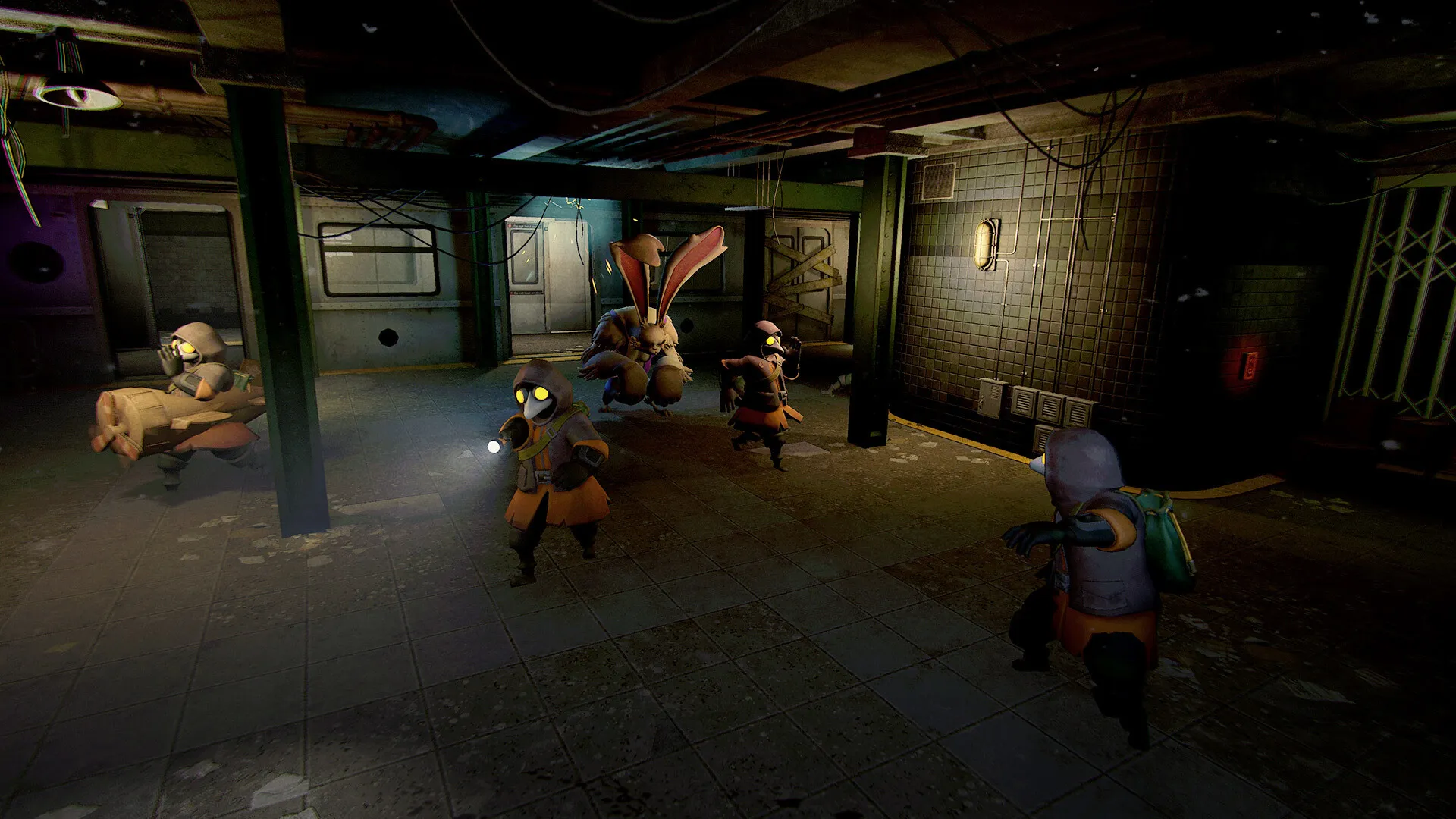
Lighting plays a key role in creating tension. Dark environments illuminated only by flashlights or emergency lights heighten the sense of vulnerability.
Certain anomaly zones also feature unnatural lighting colors, suggesting the presence of powerful reality distortions.
Narrative Structure
Fragmented Storytelling
The story unfolds gradually through discovered documents, recorded messages, survivor testimonies, and environmental clues.
Rather than presenting a linear narrative, MIMESIS encourages players to piece together the truth themselves.
Important story fragments include:
- research logs about early Mimic experiments
- reports describing the Reflection Collapse
- survivor diaries revealing paranoia within groups
Multiple Endings
Player decisions throughout the game influence the final outcome.
Possible endings may depend on:
- how many survivors remain
- whether Mimics infiltrated the group
- how much truth about the anomaly was discovered
This branching narrative structure increases replay value and encourages players to experiment with different strategies.
Conclusion
MIMESIS stands out as one of the most psychologically complex survival horror games of recent years. Instead of relying on constant combat or predictable scares, the game builds tension through uncertainty, identity manipulation, and subtle environmental changes.
The presence of Mimic entities capable of perfectly imitating humans transforms every interaction into a potential threat. Combined with resource scarcity, dynamic world changes, and philosophical storytelling, the game creates an atmosphere of paranoia rarely seen in modern horror titles.
By exploring themes of perception, imitation, and the fragility of identity, MIMESIS delivers an experience that challenges players not only to survive but also to question the very nature of reality itself. For fans of psychological horror and survival games, it offers a chilling journey into a world where nothing can be trusted and even the people beside you may not truly exist.