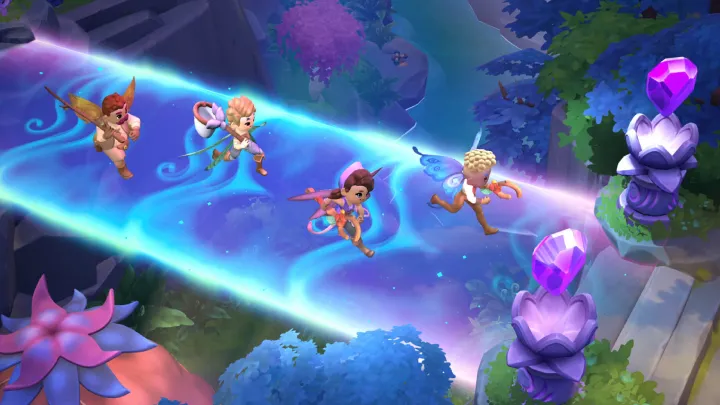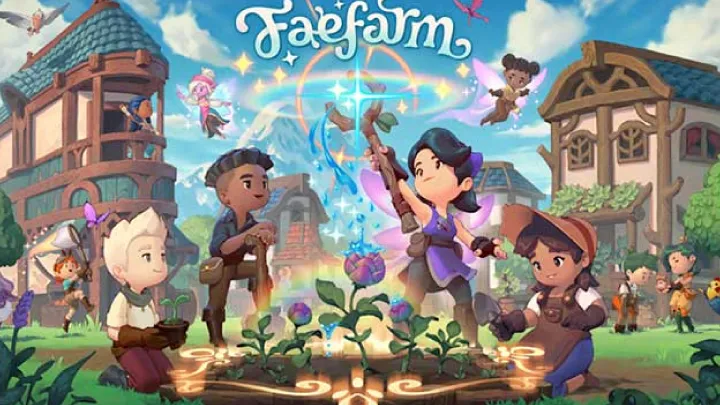






Fae Farm is a charming blend of farming simulation and role-playing mechanics, inviting players into a whimsical world where they can cultivate crops, raise animals, and explore magical realms. Developed by Phoenix Labs, this game has garnered attention for its visually appealing graphics and engaging mechanics. However, one significant issue that arises is the challenge of balancing gameplay depth with accessibility, ensuring that the game appeals to both hardcore players and casual fans. This article will explore how Fae Farm navigates the complexities of this balance, examining its mechanics, design choices, and player engagement.
Introduction: The Allure of Farming Games
Farming simulation games have become increasingly popular, offering players a chance to escape the fast-paced modern world and indulge in the slower rhythm of agricultural life. Titles such as Stardew Valley and Animal Crossing have established a strong foothold in the genre, creating engaging experiences that blend farming, social interaction, and exploration.
The Premise of Fae Farm
In Fae Farm, players step into the shoes of a budding farmer in a magical realm. Players can cultivate crops, build relationships with the inhabitants of the land, and embark on quests that require them to explore dungeons and tackle various challenges.
Unique Setting and Magic
What sets Fae Farm apart from other games in the genre is its enchanting setting filled with fae creatures, magical elements, and otherworldly landscapes. This touches on escapism, attracting players looking for a transformative experience.
Gameplay Mechanics: The Heart of Fae Farm
At the core of Fae Farm lies a diverse array of gameplay mechanics that emphasize farming, crafting, and exploration. These elements are designed to offer depth while maintaining accessibility.
Farming and Crafting Systems
The farming mechanics in Fae Farm are reminiscent of conventional farming simulations. Players can plant seeds, grow crops, and harvest produce. However, the game also features a robust crafting system that allows players to create tools, buildings, and magical items.
Depth vs. Complexity
While the depth of these systems allows for rewarding gameplay, they can also introduce layers of complexity for new players. How the game manages to teach these mechanics is key to its success in attracting a broader audience.
Tutorial Systems and Learning Curve
Fae Farm incorporates tutorial systems that introduce mechanics gradually. Player engagement often hinges on how effectively the game communicates these foundational mechanics, especially for newcomers unfamiliar with the genre.
Tailoring the Experience
The challenge lies in balancing comprehensive tutorials with player agency. Overly hand-holding tutorials can frustrate experienced players, while insufficient guidance can leave newcomers lost.
The Importance of Accessibility
Accessibility is a crucial factor for Fae Farm, as the game aims to attract a diverse player base that includes both seasoned gamers and casual fans.
User Interface Design
The user interface (UI) plays a significant role in accessibility. A clean and intuitive UI can create an inviting environment, whereas a cluttered or confusing interface can deter players from engaging fully.
Navigating Complexity
Fae Farm employs colorful icons and a straightforward layout, allowing players to navigate menus with ease. However, complexity increases when introducing multiple crafting recipes and farming methods, requiring thoughtful design to avoid overwhelming new players.
Difficulty Levels and Customization
Offering various difficulty levels can improve accessibility by accommodating different player skills. Customizable gameplay can also cater to varying interests, whether players are focused on farming, exploration, or combat.
Player Empowerment
By empowering players to choose their own playstyle, Fae Farm can enhance enjoyment while making the game more approachable. Players should feel validated in their choices, whether they opt for a leisurely farming experience or an adventure-driven playthrough.
Social Dynamics: Building Relationships
A vital aspect of Fae Farm is the social interaction players experience with NPCs and other players. Building relationships adds depth to the gameplay and creates a sense of community that appeals to players throughout their journey.
NPC Interactions and Quests
Fae Farm features a variety of NPCs, each with unique backstories and quests. Engaging with these characters allows players to uncover more about the world and its lore.
Rewards for Social Engagement
The game rewards players for forming connections, offering benefits such as discounts, crafting recipes, or shared resources. This not only enhances gameplay but also motivates players to engage with the social systems introduced.
Co-op Gameplay Dynamics
One of the standout features of Fae Farm is its co-op mode, allowing players to farm and explore together. This dynamic shifts the social experience, fostering teamwork and collaboration among friends.
Addressing Teamwork Challenges
While cooperative gameplay enhances enjoyment, it can also complicate gameplay balance. Ensuring that tasks can be shared seamlessly while still allowing for individual agency is critical for maintaining engagement.
Crafting and Customization: A Double-Edged Sword
The crafting system in Fae Farm offers a robust array of options, allowing players to create tools, structures, and personal aesthetics. However, it also presents its challenges regarding engagement and accessibility.
Depth of Crafting Mechanics
Crafting can evolve into a complex web of recipes and resources. Players can unlock and experiment with numerous items as they progress, which adds to the gameplay depth.
Complexity and Frustration
The challenge arises when the crafting mechanics become too intricate or require extensive resource management. Players may feel overwhelmed by the number of items required for crafting or the process to create those items.
Streamlining Crafting Systems
Finding the right balance between depth and usability is key. Streamlining crafting recipes by providing clear descriptions and requirements can enhance player engagement and minimize frustration.
Suggestions for Improvement
- Crafting Guide: Integrating a comprehensive in-game crafting guide that players can easily reference can alleviate confusion.
- Resource Management: Allowing for automatic collection or inventory management could simplify the crafting process, making it more enjoyable.
Combat Mechanics: Balance and Engagement
While Fae Farm primarily focuses on farming and social interactions, it also incorporates combat mechanics that create dynamic gameplay. However, these elements pose challenges for maintaining balance.
Combat Dynamics
Combat in Fae Farm involves interacting with various enemies that threaten the peaceful existence of the farm life. Players must strategically employ their farming skills, tools, and magic to overcome adversaries.
Importance of Fluidity
For the combat mechanics to resonate, they must feel fluid yet engaging. Clunky or overly complicated controls can detract from the overall enjoyment of gameplay and may deter casual players from engaging in combat encounters.
Balancing Combat Difficulty
Balancing the difficulty of combat is essential to maintaining player engagement. Casual players may seek a laid-back experience, while more dedicated fans may desire challenges that push their skills.
Adaptive Difficulty
Implementing an adaptive difficulty feature could enhance player experience by adjusting challenges based on performance. This could serve to maintain interest while catering to various skill levels.
Community Reception and Player Feedback
The ongoing development of Fae Farm is heavily influenced by community reception. Understanding player feedback allows developers to address concerns and enhance gameplay mechanics.
Engaging with the Player Base
Developers often engage via social media and online forums to gauge player reactions and gather insights. This active engagement helps shape future updates and quality improvements.
Categories of Feedback
- Difficulty Adjustments: Players might voice concerns regarding combat difficulty or resource management challenges.
- Accessibility Features: There may be calls for additional accessibility options to make the game more inclusive for players with disabilities.
Iterative Development
Incorporating player feedback can lead to iterative updates that address community concerns. Continuous dialogue fosters trust and encourages ongoing player engagement.
Future of Fae Farm
As Fae Farm evolves, the potential for new content and updates presents exciting prospects for both gameplay and community engagement. The roadmap ahead plays a crucial role in sustaining player interest.
Expanding Content Offerings
Future updates could introduce new crafting recipes, farming mechanics, or character interactions that breathe fresh life into gameplay. Expanding lore can enrich the experience while fostering community enthusiasm.
Seasonal Events
Implementing seasonal events or limited-time challenges can also create engagement and encourage players to return to the game. These experiences provide players with unique rewards and stimulate a sense of urgency.
Cultivating a Thriving Community
By addressing current challenges and evolving the game through community feedback, Fae Farm can cultivate a loyal player base. The ongoing focus on character development, accessible gameplay, and engaging mechanics will ensure the game’s place in the sandbox genre.
Conclusion
Fae Farm offers a delightful blend of farming simulation, action gameplay, and community interaction. However, navigating the challenges of balancing gameplay depth with accessibility remains pivotal for its success. By responding to player feedback, refining mechanics, and continuously introducing new content, developers can create an experience that resonates with both casual and dedicated players. With careful tuning and a commitment to growth, Fae Farm has the potential to become a standout title in its genre, attracting players who seek both charm and depth in their farming adventures.